"Beijing’s Olympic journey:
the Games that keep giving"
13 July 2026, by
Kirsty Coventry

IOC President
This op-ed was originally published in China Daily on 13 July 2026.
Twenty-five years ago, Beijing won the right to host the Olympic Games. It marked the beginning of an extraordinary Olympic journey for China.
For me, the Beijing 2008 Olympic Games became one of the defining moments of my life as an athlete. I will always remember the feeling of those Games: the energy of the city, the pride of the people, the colour and creativity of the opening ceremony, and the sense that the whole world had come together in one place.
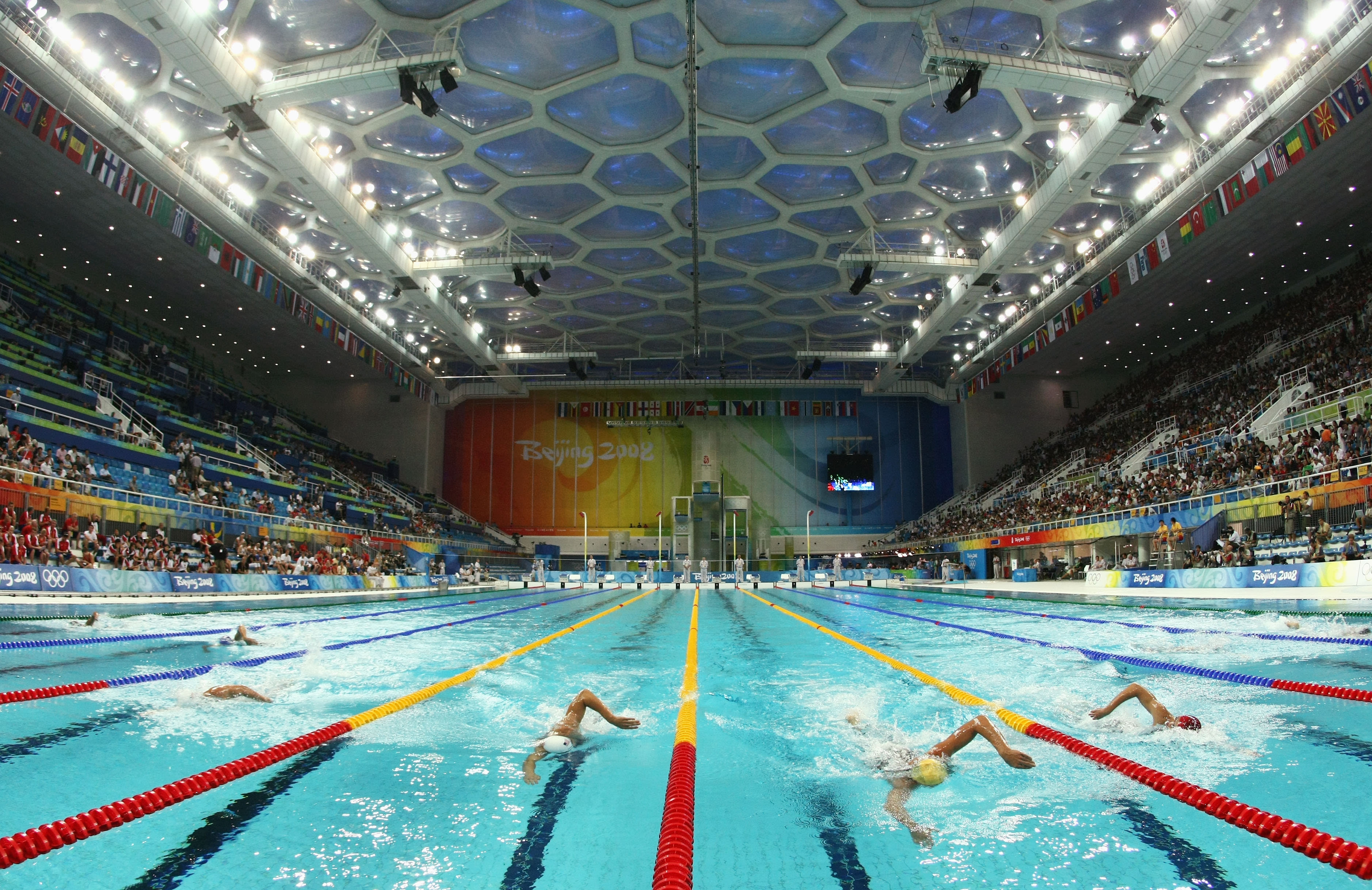
I also remember two venues in particular. The Water Cube will always be special to me as a swimmer. It was there that I experienced some of the most important moments of my career. The Bird’s Nest became one of the defining images of Beijing 2008 — an iconic setting for an opening ceremony that brought Chinese culture and creativity to the world.
When I returned to Beijing for the Olympic Winter Games in 2022, this time as an IOC Member, I saw those memories in a new light. The Water Cube had become the Ice Cube – the Olympic curling venue. The Bird’s Nest once again staged unforgettable Olympic opening and closing ceremonies.
These were striking examples of venues being given a second life. But they also pointed to something bigger.
The real legacy of an Olympic Games is never only about what remains after the flame goes out. It is about what the Games make possible afterwards.
Can more young people discover sport? Can more communities be active? Can athletes train and compete in better conditions? Can a city become better equipped for the future?
Those are the questions that should guide every Olympic host from the very beginning – to ensure that the Games deliver more for local communities while leaving a lighter footprint on the environment.
That is what sustainable Games should mean. It starts with responsible choices about resources — venues, transport and energy. But its purpose is broader: to create benefits that last.
Beijing shows what that can look like. The Beijing 2008 Olympic Games did not just leave behind Olympic venues. They helped accelerate the city’s transformation, with investments in transport, public spaces and other infrastructure that continue to serve residents today. They also helped drive a major increase in sports participation, building momentum for a broader sporting culture in China — one in which more people can move, play and take part in sport.
The Beijing 2022 Olympic Winter Games took this legacy to another level. Five venues from 2008 were reused, all Games venues were powered by renewable energy, and low-carbon technologies were introduced. The Games also accelerated the development of the Beijing-Zhangjiakou high-speed railway, significantly cutting travel times between the two areas.
Most importantly, however, those Games brought winter sport to more than 350 million people across China. Yanqing and Zhangjiakou have become hubs for winter sports events and training, with facilities that serve the public and local athletes alike. This is creating new opportunities and real social and economic benefits for local communities.
Together, these examples show what Olympic legacy can mean when it reaches beyond the event itself: more opportunity, more participation and a stronger place for sport in people’s lives.
During my most recent visit to China, I saw that legacy in action. I saw it in the scale and energy of the 2025 National Games across Guangdong, Hong Kong and Macao; in the pride people take in their sporting culture; and in the enthusiasm of people of all ages for sport and physical activity.
This matters because sport is about far more than competition.
It brings people together. It helps young people build confidence and learn important values. It supports healthier communities. It creates belonging. And it gives people hope and ambition.
That is the power of sport: it gives people a reason to share in one another’s dreams.
At a time when the world is increasingly divided, this is also why the Olympic spirit matters. The Olympic Games remind us that people from every part of the world can come together in peace and friendship. They remind us that, even when we come from different cultures and backgrounds, we can still share moments of joy, respect and admiration.
Beijing’s Olympic journey — from its successful bid 25 years ago, to the Olympic Games in 2008 and the Winter Games in 2022 — shows the value of thinking beyond the event itself.
The best Olympic legacy is not simply what is left behind when the Games end. It is what carries on: in people’s lives, in communities and in the generations still to come.