The Olympic Games have driven innovation in sports broadcasting over the last 90 years. Based on this document from the Olympic Studies Centre, IOC.org explores how that spirit of progress will continue at the upcoming Olympic Winter Games Milano Cortina 2026.
At OBS, we embrace innovation with purpose. While we continuously test and introduce new technologies at each edition of the Games, our focus remains clear: to tell the stories of the world’s greatest athletes in compelling, engaging, and immersive ways. Technology is not the goal – it is the enabler. Every innovation we adopt is driven by the purpose of elevating the Olympic experience for audiences around the world.
Among the standout features planned for Milano Cortina 2026 is the expanded use of artificial intelligence to enhance live coverage and storytelling. From smarter replays that break down athlete movements into clear sequences, to on-screen graphics that make it easier to compare performances in real time, these tools will offer unprecedented insight into strategy, technique and execution. In curling, for instance, AI will trace the path of the rocks with precision, helping viewers understand the tactics at play like never before. Increased drone coverage will also add dynamic new perspectives to many events, while cinematic cameras will help convey the emotion and drama of key moments across all sports.
For Milano Cortina 2026, our focus is not on a single innovation, but on the ability to integrate and scale multiple new technologies to Olympic level. This approach will enable us to deliver the most immersive and dynamic Olympic Winter Games broadcast to date.
Looking back: 90 years of innovation
With these innovations, Milano Cortina 2026 will add an exciting new chapter to the compelling, 90-year history of Olympic broadcasting – a journey that is explored in detail in the Olympic Broadcasting History reference document from the Olympic Studies Centre.
From domestic experiments with live television to global, multi-platform broadcasts enhanced by artificial intelligence, each edition of the Games has been marked by technological milestones that have shaped how the world experiences Olympic sport.
Rather than one singular breakthrough, it’s been the continuous layering of innovations over time that has transformed the Olympic broadcast experience.
The first of those layers came in 1936, when the Olympic Games were viewable for the first time via a closed-circuit feed in Berlin and the surrounding area. By Rome 1960, live coverage was reaching 18 European countries and being delivered within hours to audiences in the US and Japan. Four years later, Tokyo 1964 introduced the first use of satellite transmission to relay images in real time across continents – a breakthrough Moreno describes as “the moment the Games became truly global.”
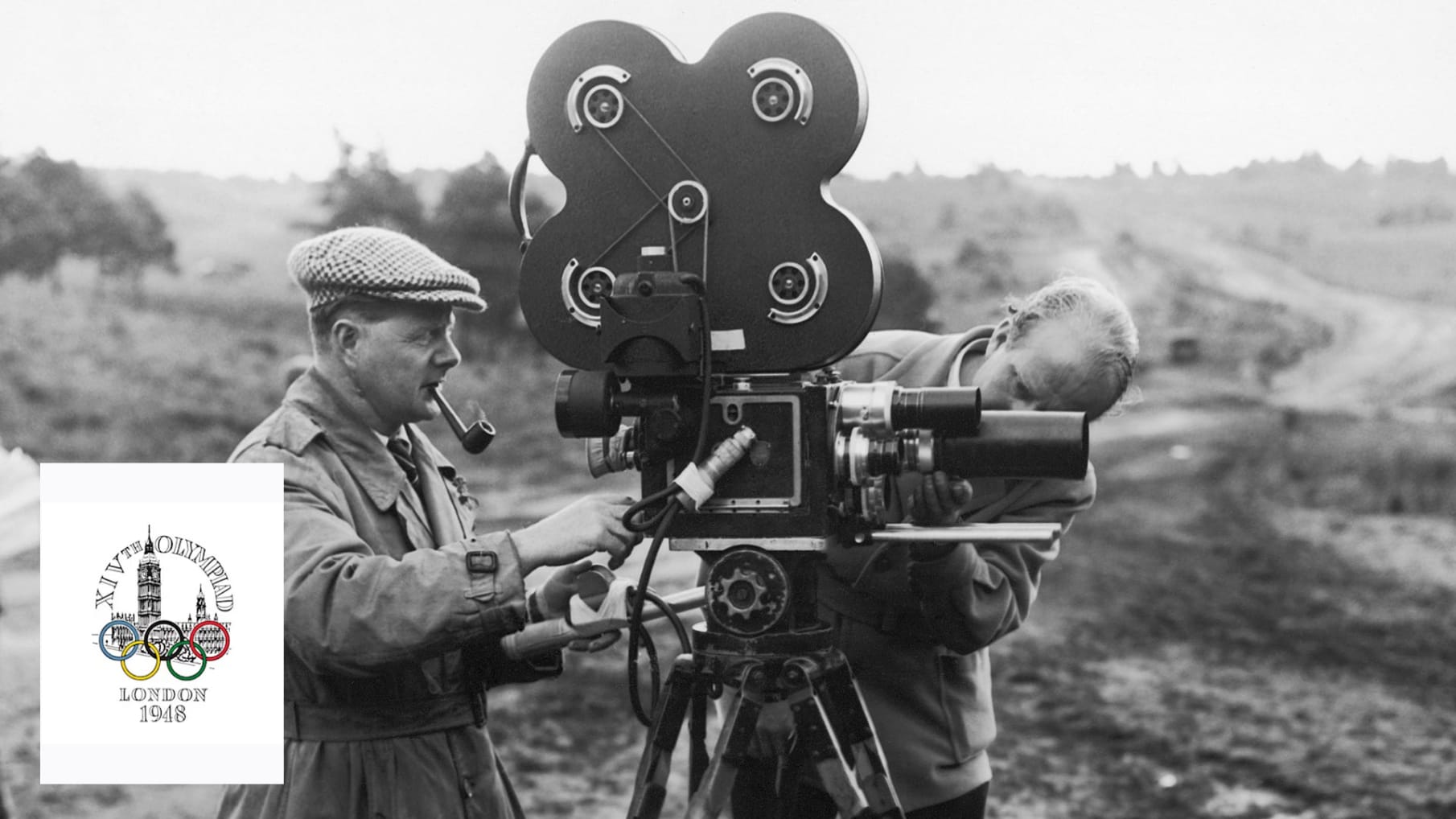
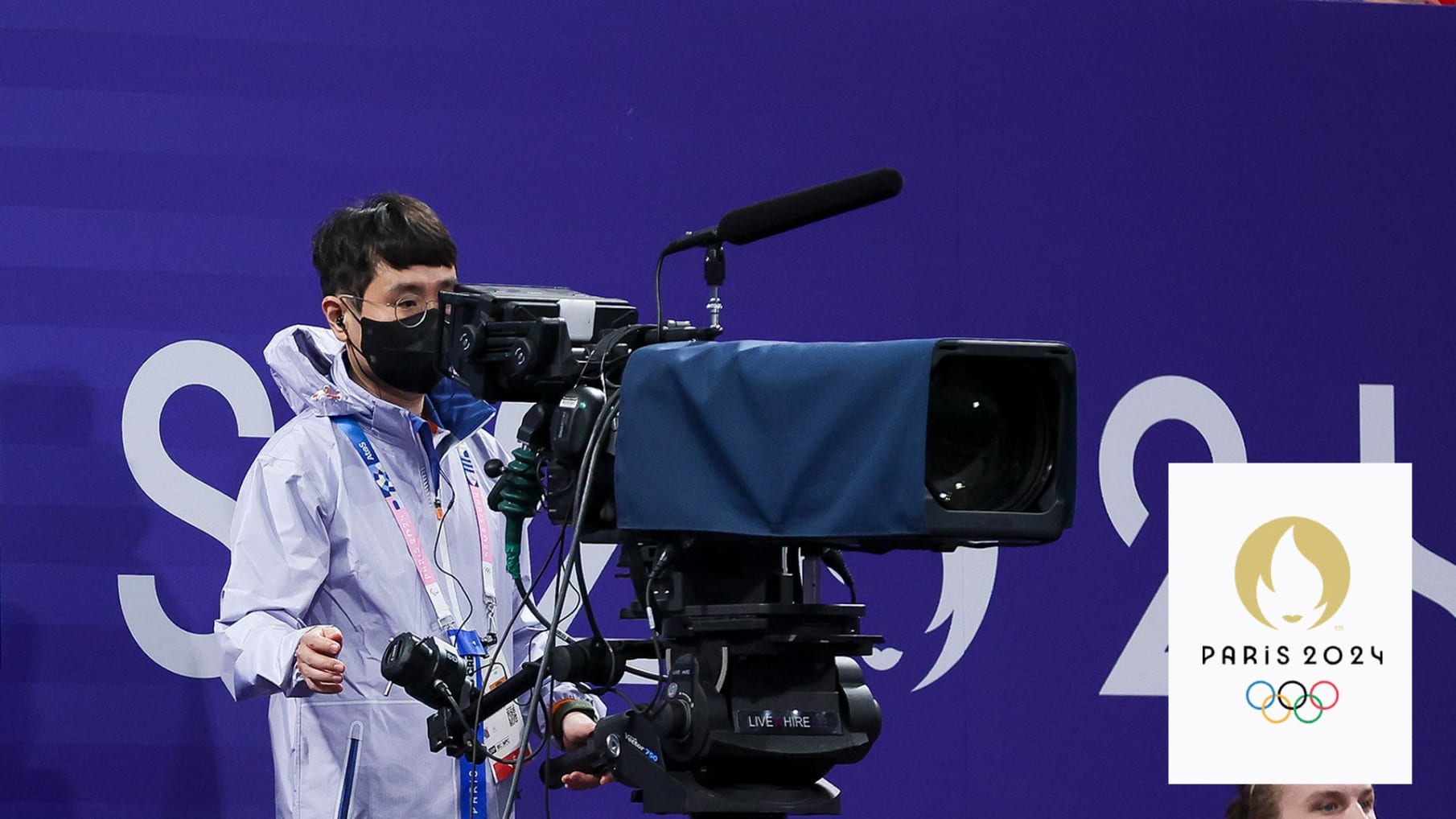
The pace of progress accelerated in the decades that followed. While Tokyo 1964 featured select events in colour for domestic audiences, it was Mexico City 1968 that brought full colour broadcasts to viewers around the world, along with the debut of live slow-motion replays. Albertville 1992 marked early trials of high-definition technology, and with the establishment of OBS in 2001, the stage was set for greater consistency and long-term innovation. Beijing 2008 was the first Games produced entirely in HD, while London 2012 marked a turning point in the scale and accessibility of live multilateral coverage.

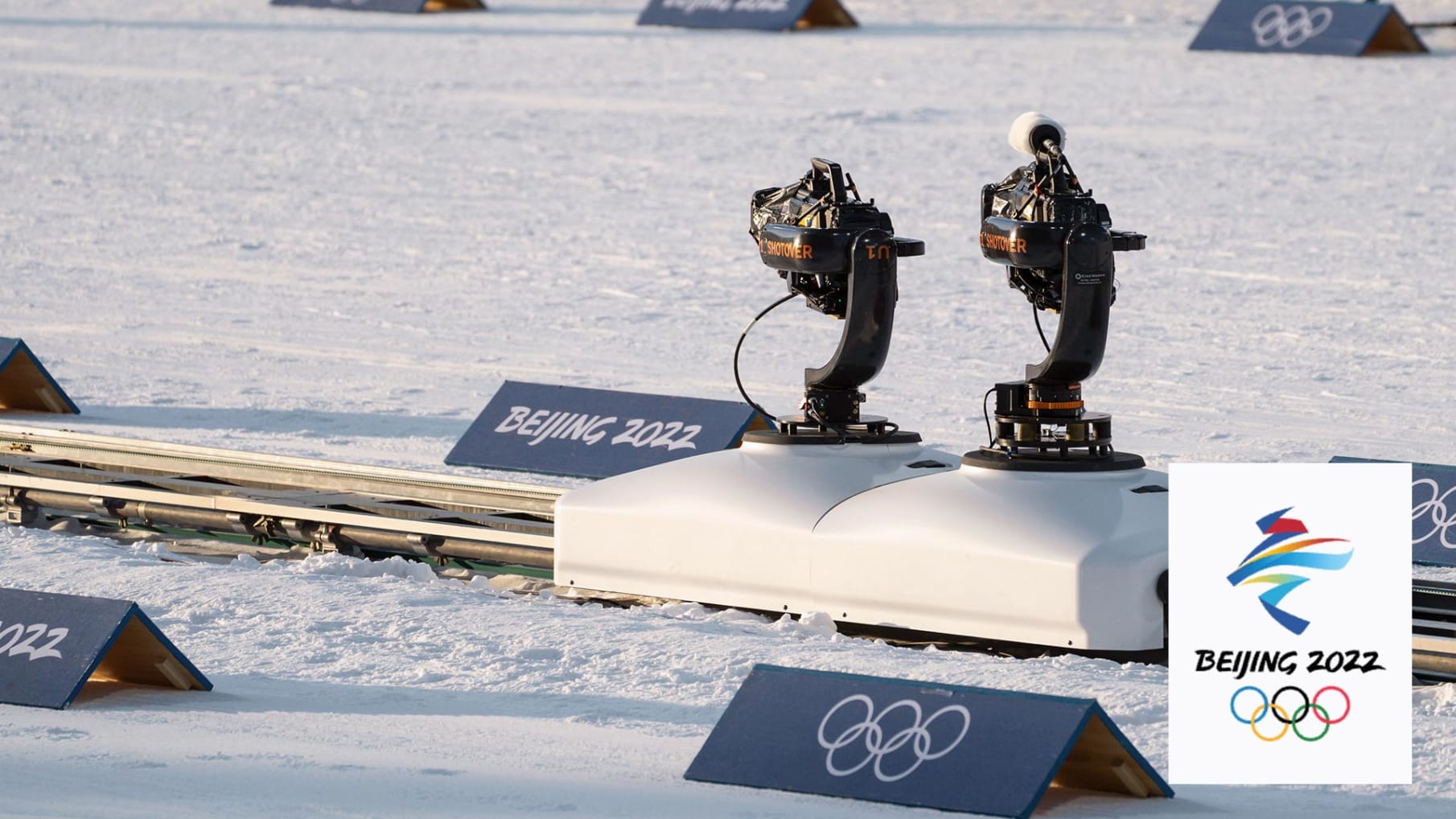
The transition into digital broadcasting brought new dimensions to storytelling. Athens 2004 introduced the first live streaming and early mobile services, while Beijing 2008 was dubbed the first “fully digital Games”. The Olympic Winter Games Vancouver 2010 saw the advent of social media, while Tokyo 2020 was produced in native UHD HDR and leveraged cloud infrastructure to enable remote production at scale.
As Exarchos explains: “Each edition of the Games has introduced new innovations that serve as stepping stones in our ongoing journey to push the boundaries of Olympic broadcasting and bring fans closer to the athletes, their emotions and stories.”
Each edition of the Games has introduced new innovations that serve as stepping stones in our ongoing journey to push the boundaries of Olympic broadcasting and bring fans closer to the athletes, their emotions and stories.
OBS: Driving innovation
While each edition of the Games has introduced groundbreaking technical innovations, it was the establishment of OBS in 2001 that has perhaps been the most transformative development in Olympic broadcasting, providing a permanent structure that enables long-term planning, consistency and continuous innovation across multiple editions of the Games.
Before OBS was created as the permanent host broadcaster, each Olympic Games required building a new host broadcaster team from scratch. The establishment of OBS fundamentally changed that. With a dedicated, permanent team, we’ve been able to build deep expertise and develop consistent workflows that carry over from one Games to the next. That continuity allows us to plan long term, invest in scalable technologies, and refine every aspect of production with each edition.
This model has supported the introduction of numerous breakthroughs, from high-definition production at Beijing 2008, to UHD HDR and cloud workflows at Tokyo 2020, to AI-powered storytelling tools and remote operations at Paris 2024 and beyond.
As well as enabling consistent technical innovation from Games to Games, the permanent host broadcaster model has also allowed OBS to embed sustainability into its long-term strategy, rethinking operations to reduce environmental impact while still delivering world-class coverage.
Innovation at the Olympics goes beyond technology – it’s about how we can best bring fans closer to the emotion and spirit of the Games while advancing sustainability and operational efficiency. Sustainability has been a strategic focus for OBS since Beijing 2008, guiding how we rethink our operations, ensuring we do more with less, while at the same time reducing our environmental footprint without compromising coverage quality.
At Paris 2024, OBS reduced its footprint in the International Broadcast Centre (IBC), the central hub for broadcast operations at the Games, by 10 per cent, while also cutting venue power use by nearly a third compared to Tokyo 2020, and reusing or recycling half of all cabling. By LA28, the IBC is set to be 38 per cent smaller than at Rio 2016.
OBS’s commitment to innovation also extends to how new technologies are developed and deployed, with the Youth Olympic Games (YOG) often serving as a proving ground for tools that later shape Olympic coverage.
The virtualised OB van and AI-powered automated highlights were tested at the Winter YOG Gangwon 2024 before being implemented for multiple sports productions at the Olympic Games Paris 2024. Both initiatives will continue at the Olympic Winter Games Milano Cortina 2026.
Alongside technical advancements, OBS continues to invest in the people behind the broadcast. Through its Broadcast Training Programme (BTP), it offers valuable career pathways to young professionals in host countries. For Milano Cortina 2026, 650 local students will join the OBS team, gaining hands-on experience at the heart of Olympic broadcasting.
The Broadcast Training Programme remains OBS’ main human legacy to the host country of the Olympic Games. It enables local youth to learn hand-in-hand from Olympic managers who excel in their roles and then contribute to the largest sports broadcast operation in the world. This experience helps shape the future of students starting their careers and often takes them to places they never imagined. It’s beautiful to see the impact this programme has on so many lives.
Since Paris 2024, the BTP has also welcomed Olympians and Paralympians looking to transition into media roles, while a separate Olympic Commentary Training Programme is helping retired athletes find their voice behind the microphone.
The Olympic Commentary Programme is part of OBS’s effort to recruit more Olympians and increase female representation in sports commentary. This initiative provides retired and non-active Olympians and Paralympians with world-class broadcast training and the chance to be part of the Games. Through hands-on training with industry experts, athletes gain new skills, share their unique insights, and transition into professional sports commentary.”
Engineering the Future: New OBS programme promotes gender equality in broadcasting
Sharing the Olympic spirit with the world
As the Milano Cortina 2026 Olympic Winter Games prepare to deliver the most immersive and dynamic Winter Games broadcast to date, they will continue a proud tradition of innovation that has defined Olympic broadcasting for 90 years. From black-and-white images in Berlin to cloud-powered, AI-enhanced coverage in Italy, each Games has shaped the way the world experiences Olympic sport.
In that same timeframe, the Olympic broadcast audience has grown from a few thousand viewers in the host city to billions around the world – a transformation made possible by the IOC’s long-standing collaboration with its Media Rights-Holders (MRHs), who help ensure the Games are accessible across every continent and platform.
With an audience of billions tuning in across time zones and devices, the responsibility to deliver a seamless, world-class broadcast has never been greater. That pressure, anchored by the immovable deadline of the Opening Ceremony, is what drives continuous innovation.
The fixed date of the Games gives us a clear goal: there’s no delay, no second chance – you must deliver. That pressure fuels creativity and demands constant evolution. We can't simply copy and paste from the past. Each Olympics is unique, and that forces us to reinvent ourselves – to reimagine how we produce, capture and share the stories of the athletes. And that’s what keeps it exciting, every single time.
This spirit of reinvention and progress is explored in detail in the new Olympic Broadcasting History reference document from the Olympic Studies Centre, which provides a comprehensive look at how the Olympic Games have shaped, and been shaped by, nine decades of broadcasting innovation.
All images and videos: © IOC